I Prepared for My Birth as One Would Prepare for a Triathlon
An unmedicated birth at home, after a long road of infertility. Here is exactly how I created the conditions that allowed it.
At 7:28pm on the 12th of November 2017, I gave birth in my bedroom after three hours of active labour and very little fear. It was magical. I am going to share how I created the conditions that allowed it to happen. But first, let us talk about birth a little.
I never imagined I would have children, and for most of my adulthood the thing I mourned about that was never giving birth. I had always viewed birth as an incredible rite of passage, an ancient experience that, in our modern lives of laptops and smartphones, is one of the few opportunities left to participate in something humans have been doing since the beginning of time. And I wanted to do it the way it had always been done.
There is something so powerful about the chance to be that primal. When I finally did plan to give birth, after a long road of infertility and sadness, I was not going to miss out on it for all the norms in the world.
The shiny, medicalised world of birth that you encounter in a modern hospital offers something very different from the experience I had in mind. So I went about finding out why it is that so many women who want a natural vaginal birth end up with a caesarean section.
Please note, I am pro-choice when it comes to birth. If you choose a caesarean, you fall into a different statistic. I am speaking specifically about women who choose a vaginal birth and end up with a caesarean, and usually a dose of trauma to boot.
It turns out that unless you take courage and the active steps necessary to create the circumstances that will allow the birth you want, it will not happen on its own. Here is how I prepared.
The groundwork
First, understand the system. I watched a documentary on the business of being born, because it is essential to understand how the standard Western model, an obstetrician and a hospital, is very likely to leave you with a birth experience you did not actually hope for.
Then I read a short guide on the basic needs of women in labour. It is about ten pages, written by a South African, summarising the work of a French obstetrician who oversaw a thousand births a year for twenty-three years and recorded his observations.
The practice
Once the idea of a natural, unmedicated birth resonated with me, I began a daily practice of pelvic preparation. Our modern lives leave the ligaments in the pelvis tight, no matter how fit and active you are. You need to prepare your body through daily stretching, and there are excellent teachers who will show you how.
I worked through a birth preparation workbook that let me explore all my preconceived ideas about birth. I interviewed the women in my family, and ended up chatting to my ninety-four year old granny-in-law about her birth experiences. I learned some very important pain management techniques.
Then I found my people. I interviewed a few midwives before I found the right one. You will know when you have. Do not give up until you do. And I found an obstetrician who would back up a midwife-assisted home birth. This was the hardest part of my entire pregnancy, but I was uncompromising, and I found someone.
Giving birth is an incredibly intense, liminal experience. There is joy, love, fear and pain, and it is all entirely manageable.
Good luck, mama. I know you can have the birth you desire.
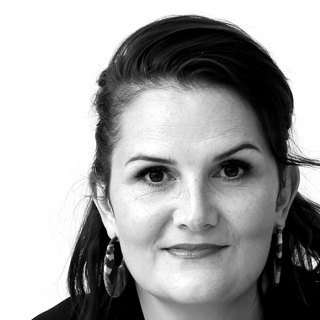
Tamryn Sherriffs
Founder and editor of DIFFERENTLY. She writes about the systems that shape how we live, learn and work, many of which she has spent two decades experimenting with.
Read her full story